
25 Mini Pond Ideas
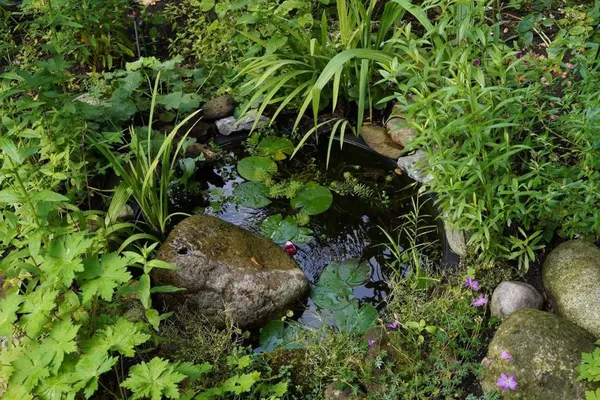
A mini pond is a great addition to your small garden. It lets you enjoy water in your garden without taking up too much space. A mini pond brings a sense of calm to your garden and its design, is beautiful to look at, and attracts animals such as frogs, salamanders, dragonflies, and birds. Would you also like to have a mini pond in your garden, but are you still looking for inspiration and ideas for a beautiful mini pond that fits your small garden and garden style? Here are 25 mini pond inspiration ideas.
25 Mini-Pond Ideas for a Small Garden
Through our own Facebook group for small gardens, we received lots of beautiful photos of mini ponds.
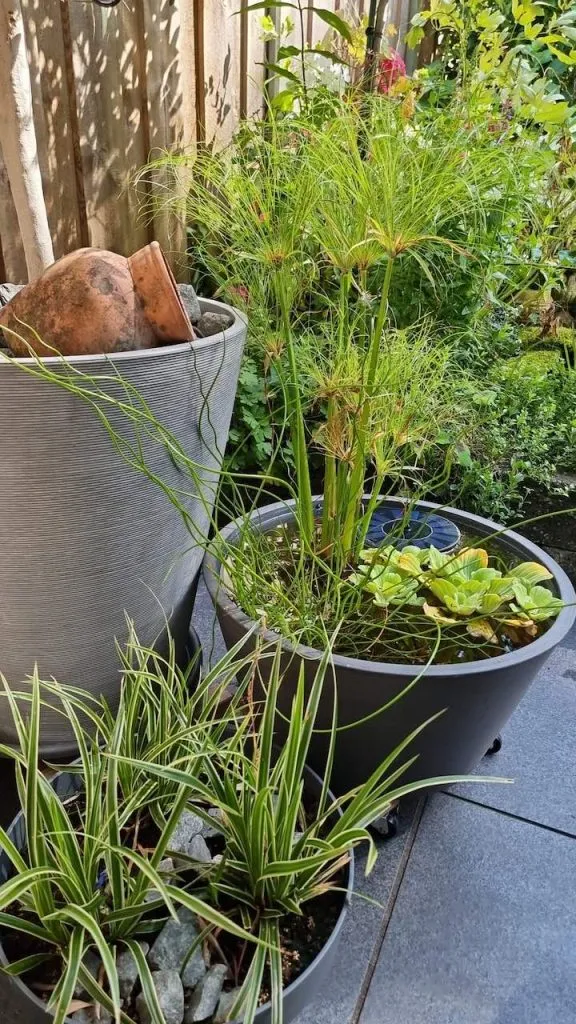
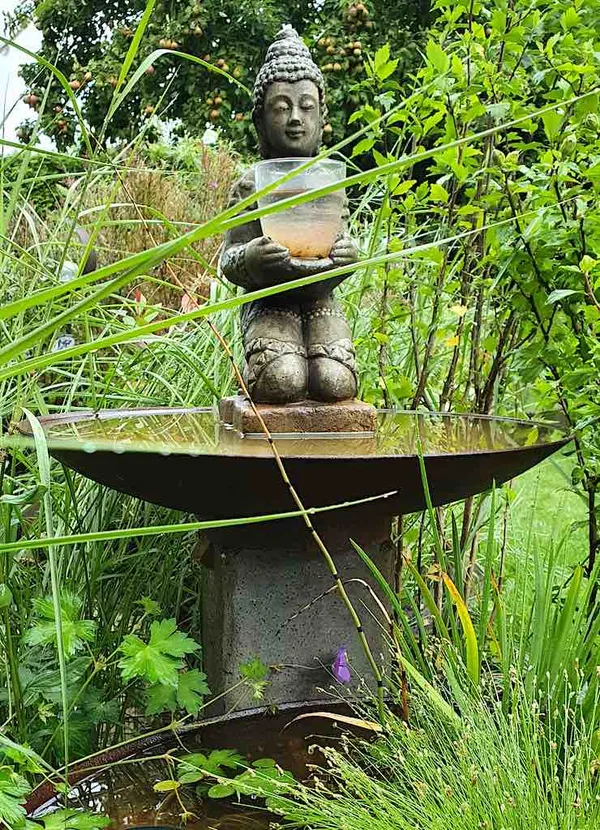
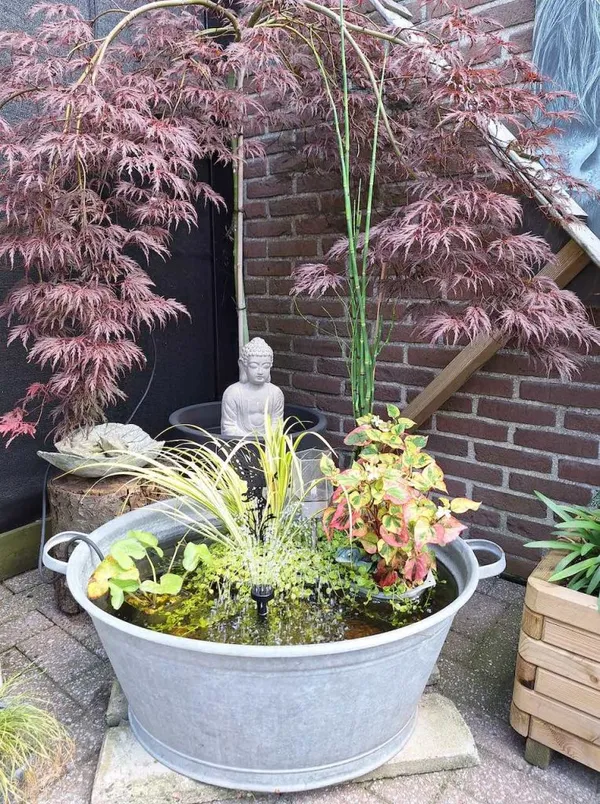
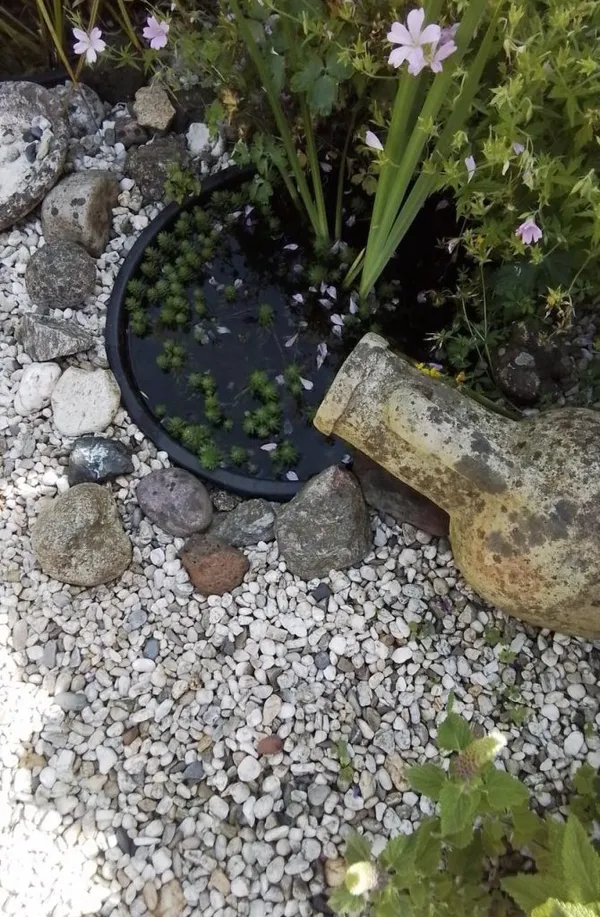
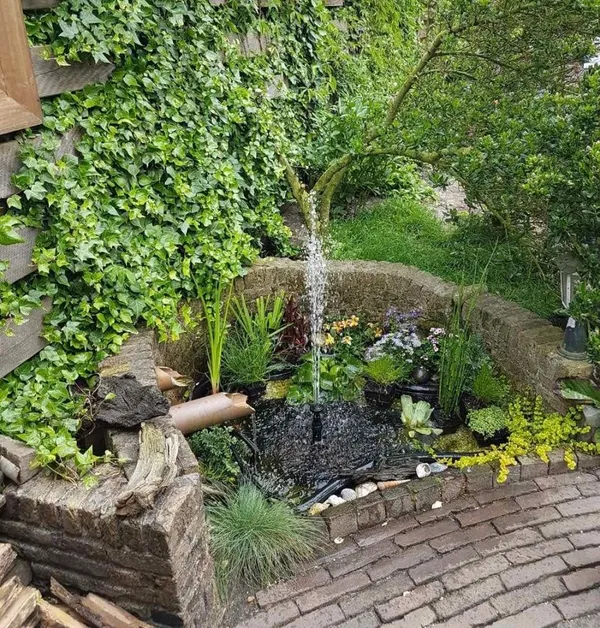
The vast majority of mini-ponds are made from a round mortar tub, which is then buried in the garden. Sink basins are also popular. There are mini-ponds with solar-powered fountains, small ponds filled with plants, mini-ponds surrounded by garden statues…
Here’s a selection of the entries—plenty of inspiration for mini-ponds!
What is a mini pond?
A mini pond is ideal for a small garden because it saves space and is aesthetically pleasing. The gentle lapping of water creates a sense of calm and attracts animals such as frogs and dragonflies, which promotes biodiversity. Mini ponds are easy to maintain and versatile, as they can be moved. In addition, the sound of water has a therapeutic effect, which helps reduce stress. In short, a mini pond is a practical and beautiful addition to any small garden.
Do you write "minivijver" or "mini-vijver"?
The correct spelling is "minipond." Compound words consisting of two parts are usually written as one word. However, "mini-pond" can also be correct, for example, to improve readability or to further emphasize its small size.
Mini Pond Inspiration: Unique Ponds and Materials
From several mortar tubs put together, to a mobile pond, the tiniest pond, or even a bathtub… These mini-ponds are truly special! You can also use a variety of materials for your mini pond. Think of wooden tubs and (wine) barrels, ceramic pots and bowls, zinc, and Corten steel.
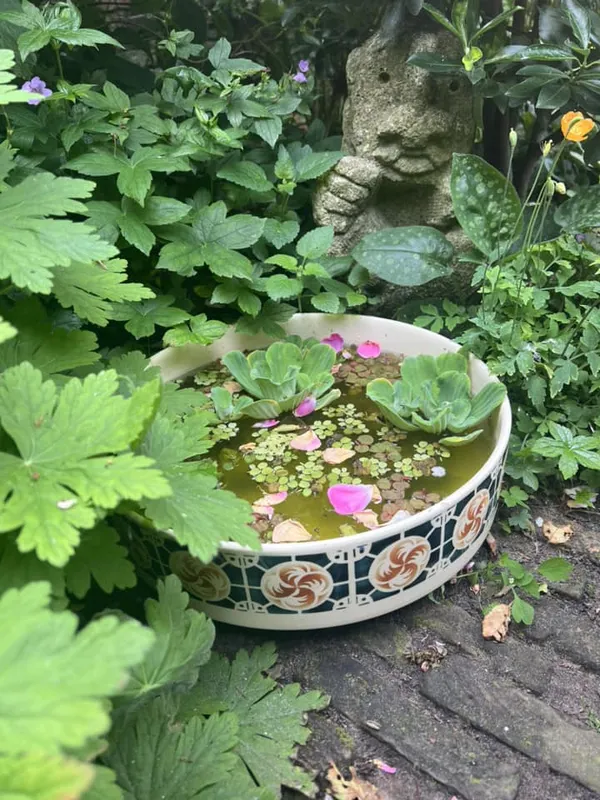
ceramic mini pond
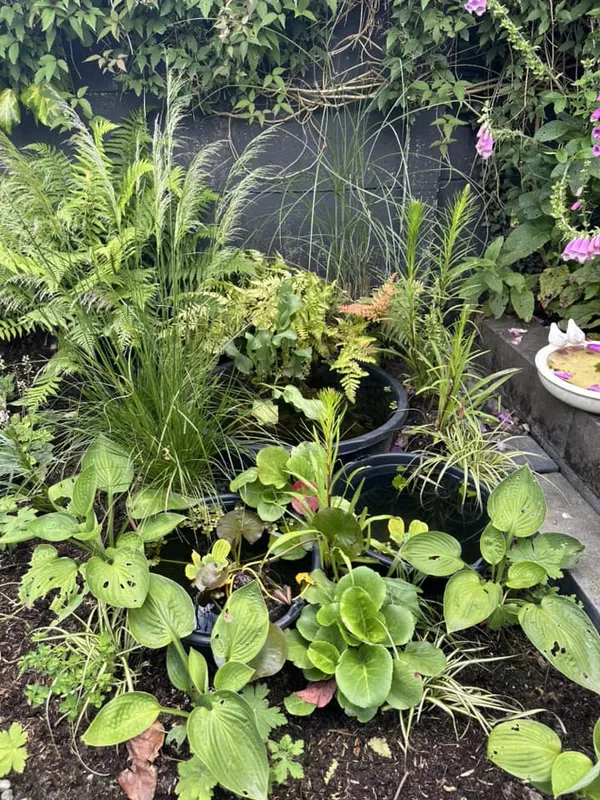
3 mini ponds side by side
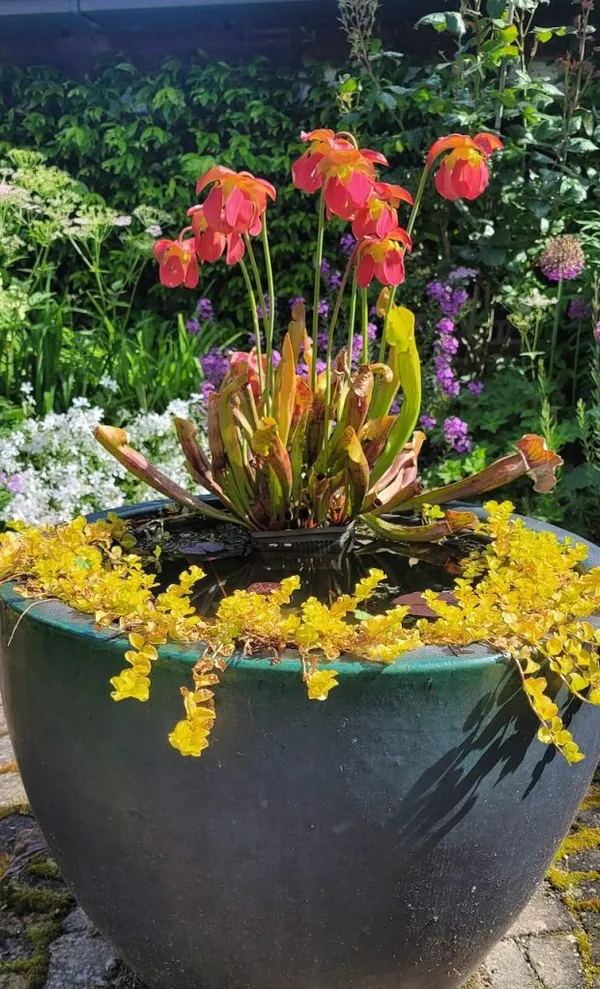
mini pond in a large pot
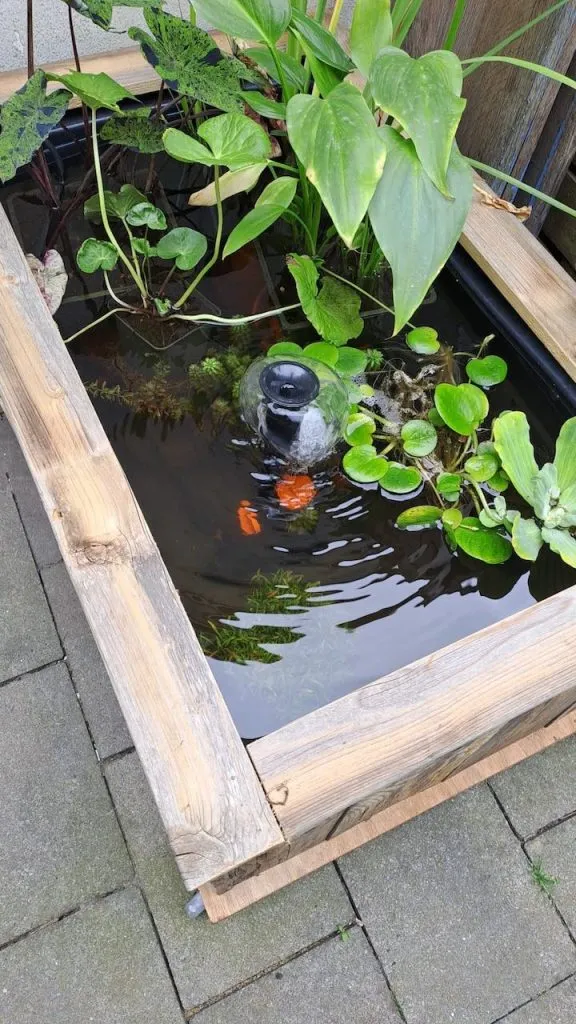
portable pond
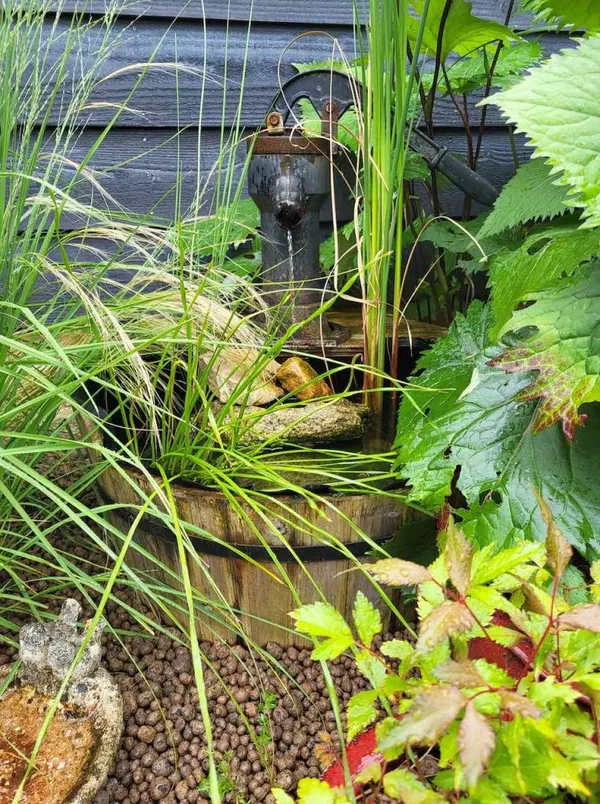
wine barrel as a pond
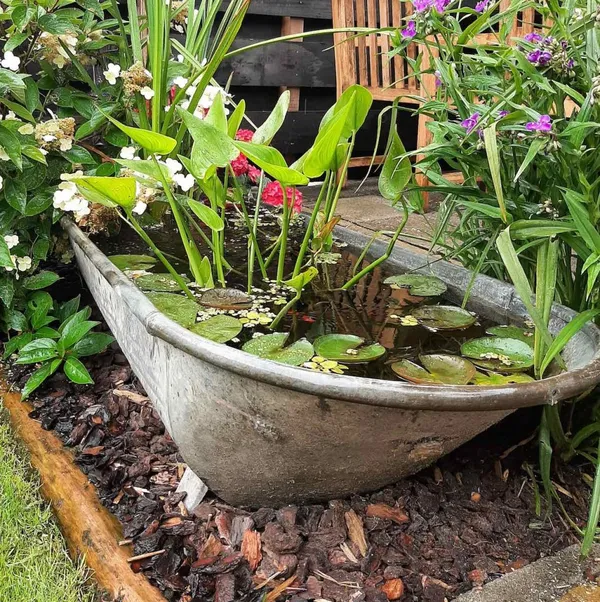
pond in an old bathtub
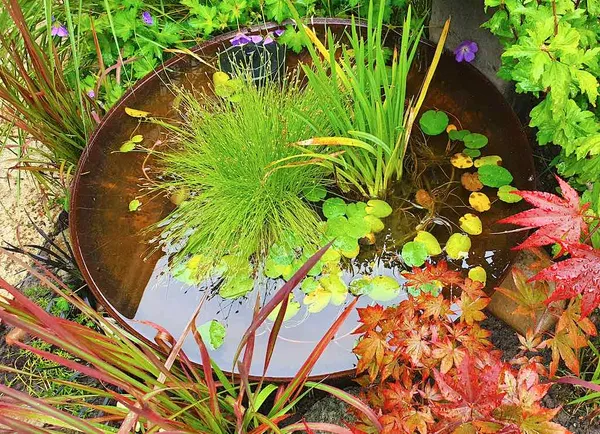
mini pond in a Corten steel basin
Pond Edge: Hide It or Highlight It?
The edge of the pond isn’t always very attractive to leave exposed, especially with the popular plastic tubs and concrete basins. You can hide the pond’s edge using boulders, stones, or tiles, or you can opt for natural vegetation. Alternatively, you can emphasize the shape of the pond by framing it with, for example, a row of tiles, pavers, concrete blocks, gravel, or crushed stone.
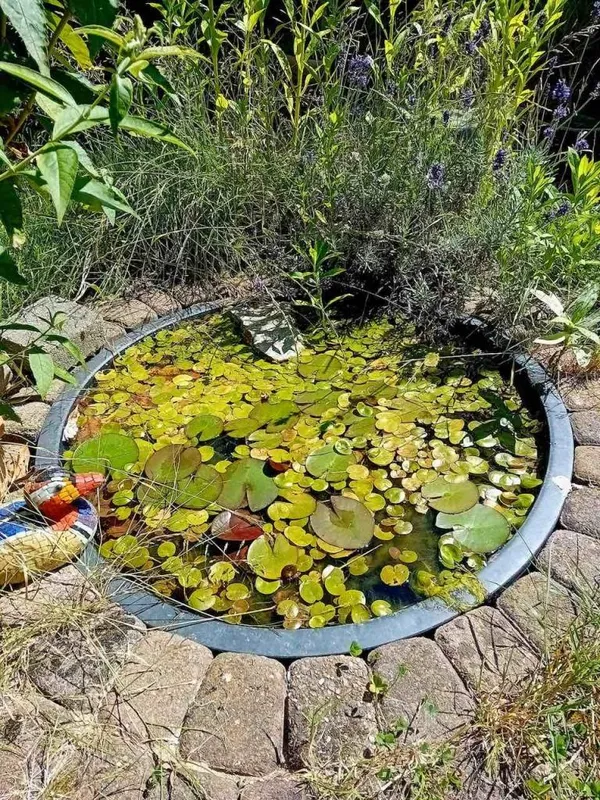
pond lined with concrete pavers
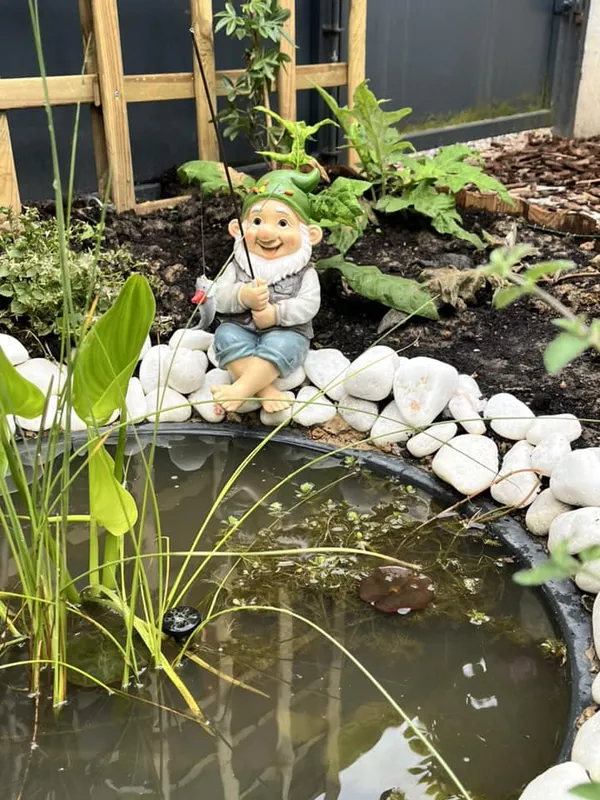
pond lined with gravel boulders
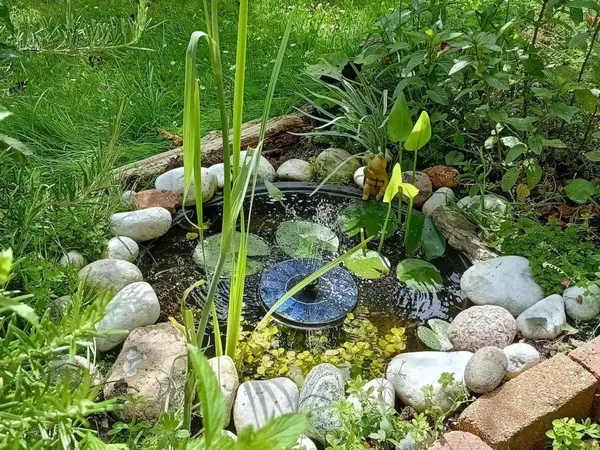
pond lined with boulders
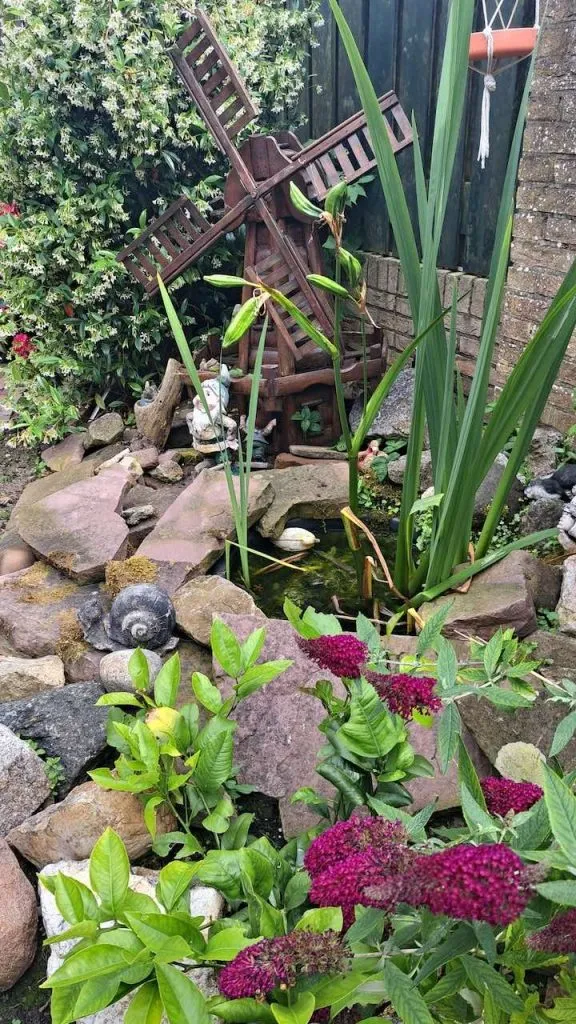
pond edging made of slate
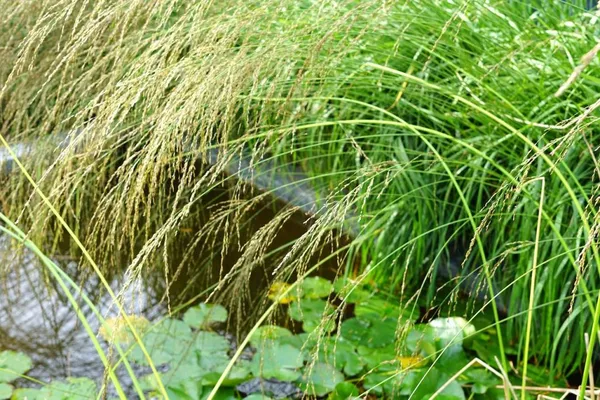
pond with a clean-lined edge, softened by the plants
With well-placed plants, your mini-pond will become an integral part of your garden. If you do it right, you won’t even notice the pond’s edge anymore. An added benefit is that the vegetation provides plenty of hiding spots and escape routes for animals. Perfect for an animal-friendly and natural garden.
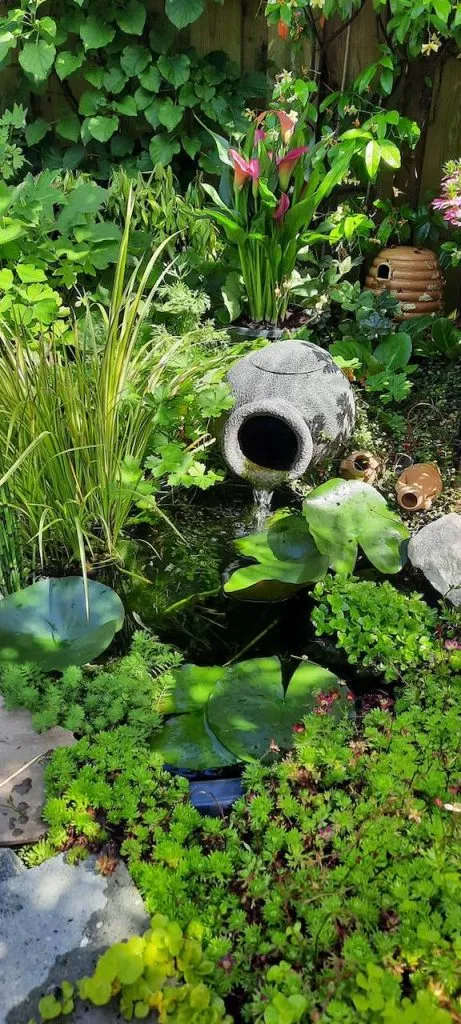
aquatic plants that hide the edge of the pond
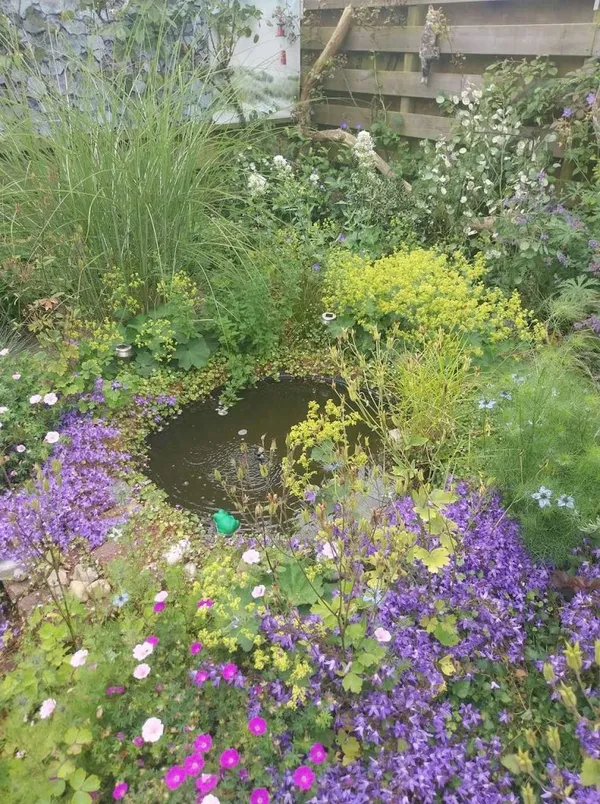
perennials and ground covers around the pond
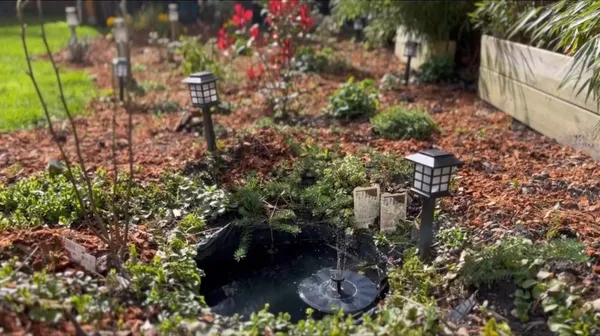
groundcover plants around the pond
Mini Pond Inspiration: Zinc Ponds
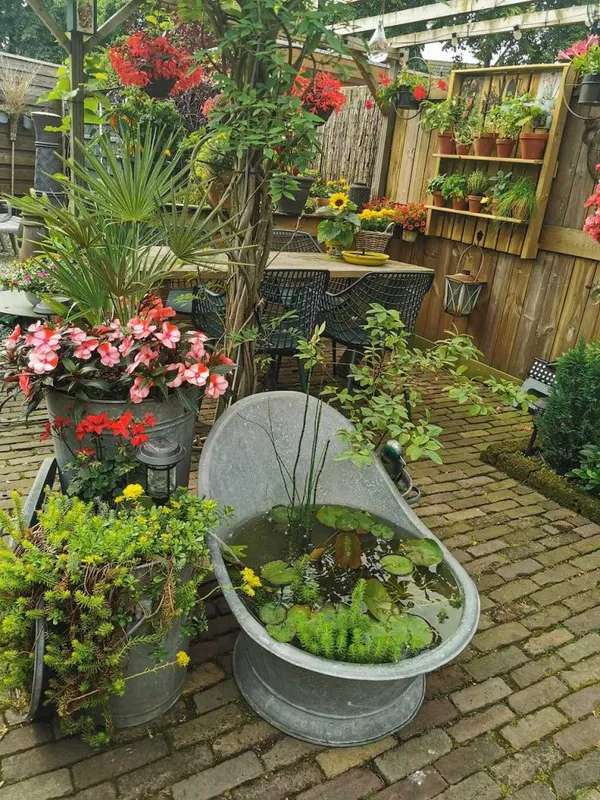
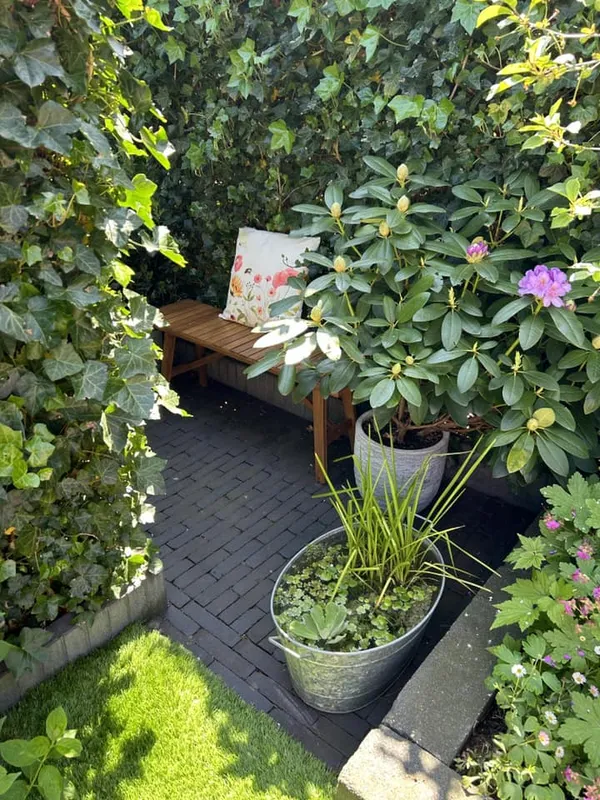
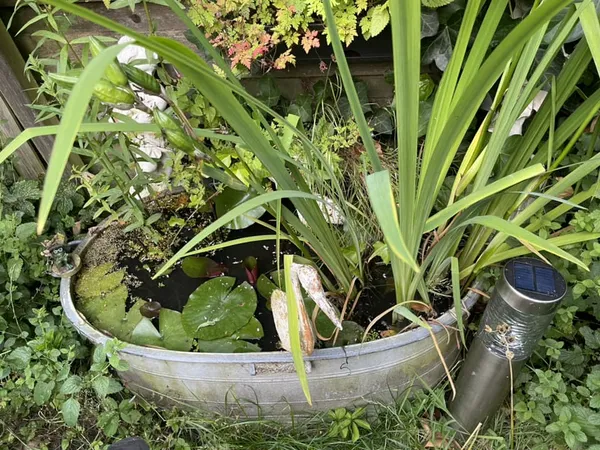
Zinc, zinc, and more zinc… from zinc tubs to old bathtubs! Zinc tubs and containers fit just as well in a modern garden as they do in a classic one. The material lasts for years, and a mini-pond in a zinc tub is easy to move around.
Tips for Your Mini Pond
A mini-pond brings water to a small garden: it’s perfect for attracting animals and insects, and it’s beautiful and soothing to look at. Below are some of the most frequently asked questions about mini-ponds:
What can you use to build a mini pond?
Actually, any waterproof container—whether it’s a basin, pot, bucket, tub, barrel, or vat—is suitable for creating your own mini-pond. Using a mortar tub as a mini-pond is very popular and a budget-friendly solution. Is your container not very attractive? No problem—just bury it.
How big should a mini pond be?
Although you can make it as small as you like (think, for example, of a water dish or birdbath), it’s a good idea to opt for a slightly larger mini-pond. This prevents it from drying out too quickly and saves you from having to change the water all the time. An additional advantage of a slightly larger mini-pond is that it’s easier to add plants to it.
Where is the best place for a mini pond?
While a real pond is best when partially exposed to the sun, this isn’t the case for a mini-pond. If you place a fairly small mini-pond in full sun, you’ll quickly see a lot of algae growth. Partial shade is the ideal spot for your small pond. Shade is also an option, but it can affect water quality: the (oxygen-producing) plants will grow more slowly.
How much maintenance does a mini pond require?
Once you’ve set up, filled, planted, and decorated your mini pond, it actually requires very little maintenance—especially if you’d like to let it take on a more natural look. Maintenance is then limited to removing algae in a timely manner or changing the water (for smaller mini-ponds and water bowls). In the fall, it’s a good idea to keep leaves out of the pond or remove them as they fall. This prevents the water quality from deteriorating as the leaves decompose.
Which plants are suitable for a mini pond?
Choose compact aquatic plants and marsh plants. Dwarf varieties are available for many species.
Check out our blog on the best plants for a mini pond
Do you have (or would you like to have) a mini pond in your small garden?
Photo credits: Main photo by Tessa de Mol – Tiller