
15 Chelsea Flower Show Design Tips
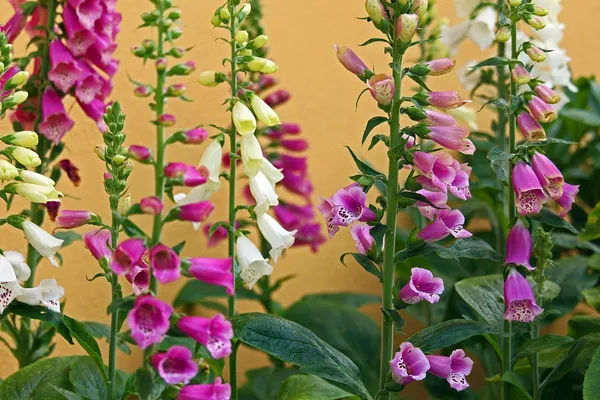
The Chelsea Flower Show is a major (and world-famous) annual gardening event in London. For a whole week, you can enjoy the most beautiful show gardens, plenty of gardening inspiration, and, of course, an endless variety of garden plants. The BBC provides daily coverage of everything happening at the show. In this daily program, you’ll see footage of the many show gardens, interviews with well-known and award-winning garden designers, and tips for your own garden.
Fortunately, there’s also a growing focus on small gardens and balconies. There’s now a separate category of show gardens dedicated to this. We’d love to share the best Chelsea tips with you for designing a small garden or decorating your balcony.
1. Plan your garden around a cozy seating area
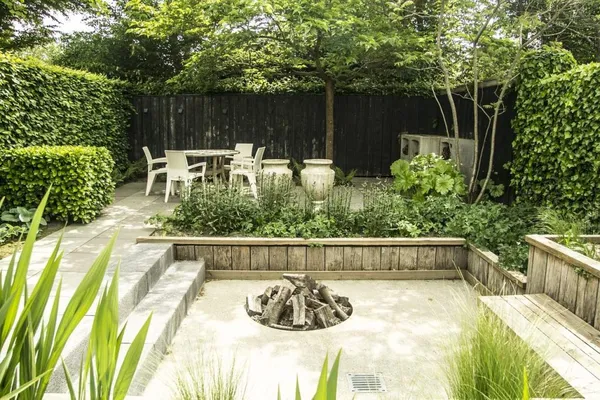
Decide where you'd like to sit (at what time of day) and design your garden and flower beds around that seating area.
2. Look at the shape and texture of the leaves
Create interest by contrasting leaf shapes and textures. So don't just focus on a plant's blooms (or their color). Blooms usually last only a short time, but you'll enjoy the leaves and the plant's shape all year long.
3. Dare to Choose
In a small garden, you have to be willing to make choices: It’s better to have one well-executed idea or element than several half-baked ideas or elements. The same goes for the number of different (types of) plants!
4. Keep it simple
Simplicity quickly creates a sense of space. Make sure your garden is functional first and foremost, and then make it beautiful. Also, don't use too many different materials in a small garden.
5. Create a green infrastructure
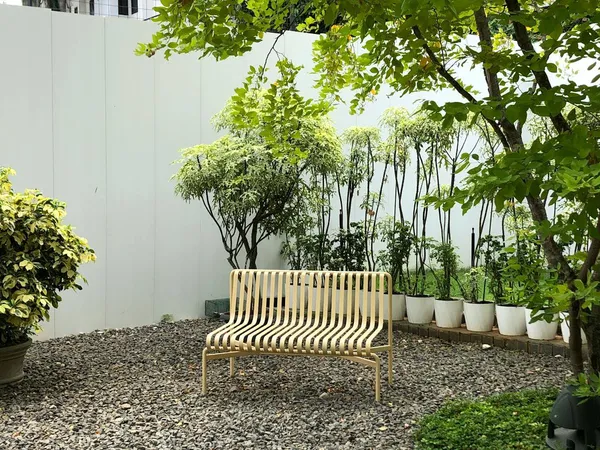
Create an evergreen foundation using attractive, low-maintenance plants that look good all year round. Then add other plants to bring more color and form as the seasons change.
6. Use tall plants
Don't be afraid to use taller plants in your design. A tall shrub or small tree adds an extra dimension to your garden and creates more depth.
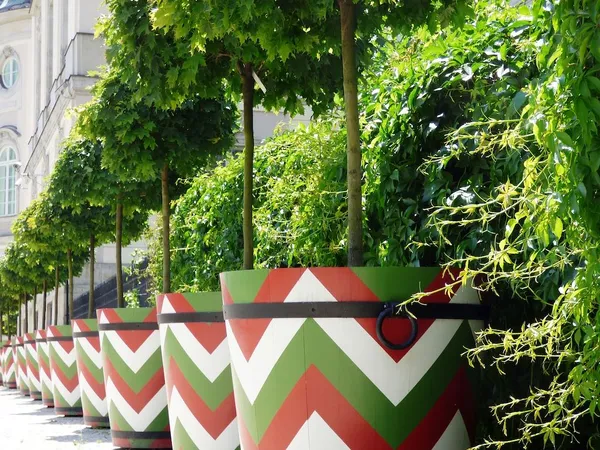
7. Go for large pots
Opt for a few large “statement” pots instead of a bunch of small(er) pots and containers. An added benefit of a large pot is that it’s easier to care for. It dries out more slowly after watering, and there’s more nutrient-rich potting soil available for the plant.
8. Place pots in a central location in your design
Don't just place pots and planters along the edge of your garden or patio. If you have (just) enough space, consider placing a large pot or planter in the center of your garden.
9. Vary the height of the pots
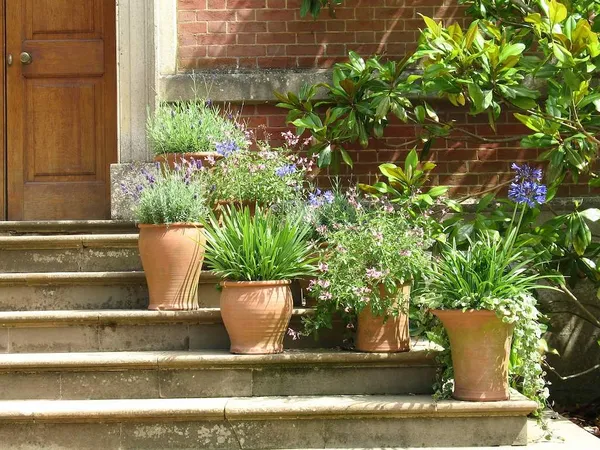
Vary the heights of your pots and planters to create a nice layered effect with your potted plants. A trio ranging from large to small is always a great option.
10. Make the most of your garden's height
Look up! Make the most of your garden’s vertical space. Add vertical elements and structures, and plant vines along walls, fences, and over pergolas.
11. Install a pergola
A pergola offers plenty of extra growing space for (climbing) plants and also provides privacy. Still, a pergola doesn’t have to be covered in plants to be a beautiful addition to your garden. More and more often, we’re seeing beautiful and stylish pergolas without any plants at all. It’s the shape and height that create visual interest in the garden and a sense of seclusion.
12. A tree is a must
No matter how small your garden is, or even if you only have a balcony: a tree is a must-have in your garden design! A tree adds height, shape, shelter, and shade, and provides a home for animals, birds, and insects. There are plenty of trees that require very little space. Consider columnar trees, narrow trees, small trees, a shrub that grows like a tree, or a multi-stemmed tree. If you plant a tree or shrub in a pot or container, it will also grow more slowly.
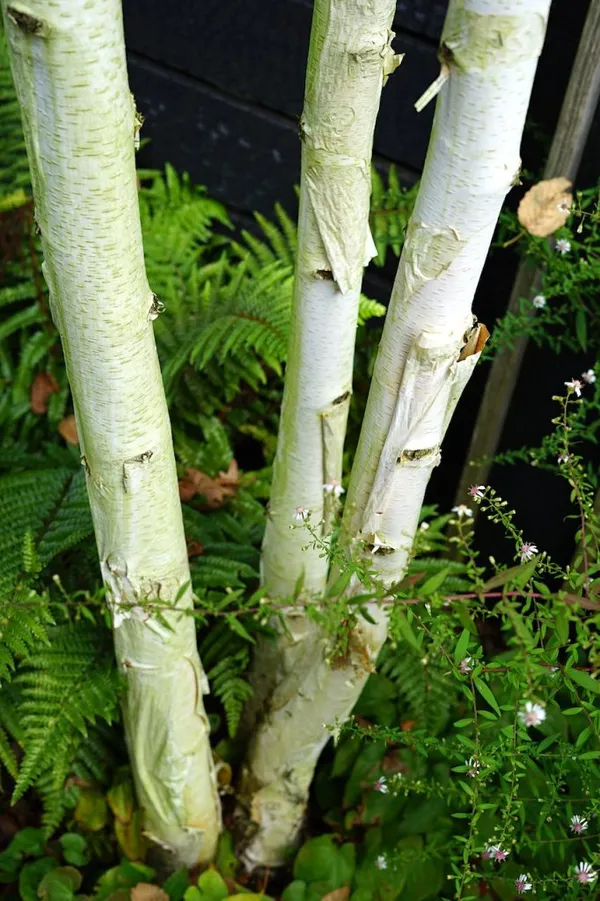
13. Multi-stemmed trees for air and structure
Multi-trunked trees stay smaller, and their (bare) trunks add structure and shape to your garden. Plus, you can still see through the trunks.
14. Keep large trees small
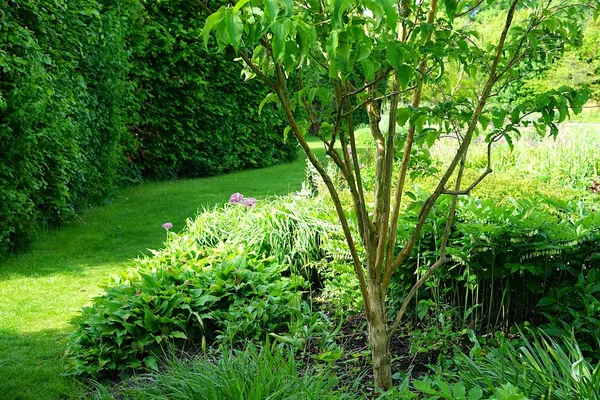
Try incorporating a fast-growing or larger tree or shrub into your design. You can keep many species small by pruning them regularly, choosing a specific pruning shape (e.g., a spherical shape), and harvesting branches and shoots (e.g., for hazel plant supports or willow branch screens).
15. Water on Your Balcony
A balcony is also a good place for a (small) water feature, such as a water bowl, a mini waterfall, or a mini pond. Just be sure to consider the weight, given your balcony’s weight limit.
Do you have a Chelsea-worthy garden, or are you planning to design one? We'd love to hear about it!