
13 Tips for Preventing and Controlling Weeds Without Pesticides
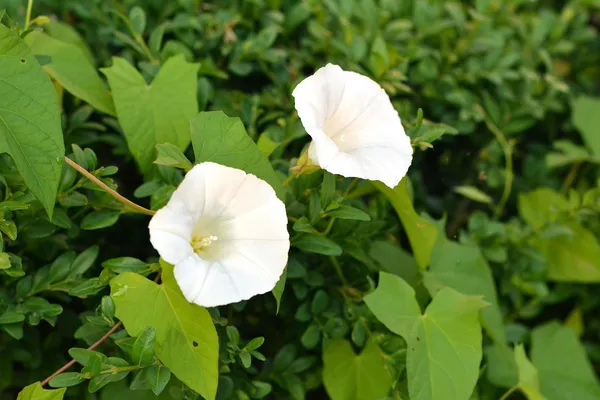
During this time of year, weeds grow just as fast as your prized garden plants… maybe even faster! That’s why one of the most frequently asked questions is: What can you do to control weeds in your garden? Or better yet, how can you prevent weeds?
What exactly are weeds, and how do you recognize them?
Weeds are plants that are unwanted in the garden and usually spread (too) quickly.
So it’s not a clearly defined concept. What one person considers a weed, another might actually appreciate in his or her garden. Still, most gardening enthusiasts agree on which types of weeds are unwelcome in their gardens. Persistent and perennial weeds, in particular, are undesirable. Examples include horsetail, field bindweed and common bindweed, ground elder, Japanese knotweed, and couch grass.
But weeds can also be quite beautiful… For example, a layer of moss along the edge of a flower bed or down the side of a path can create a lovely natural effect. A few clovers or small flowers in the lawn aren’t necessarily a disaster either—they can even help your lawn maintain a green appearance during a drought. Weeds can also be useful: dandelions, for example, provide food for bees early in the season.
Below are photos of common and hard-to-control weeds (the photo at the top of this article shows field bindweed).
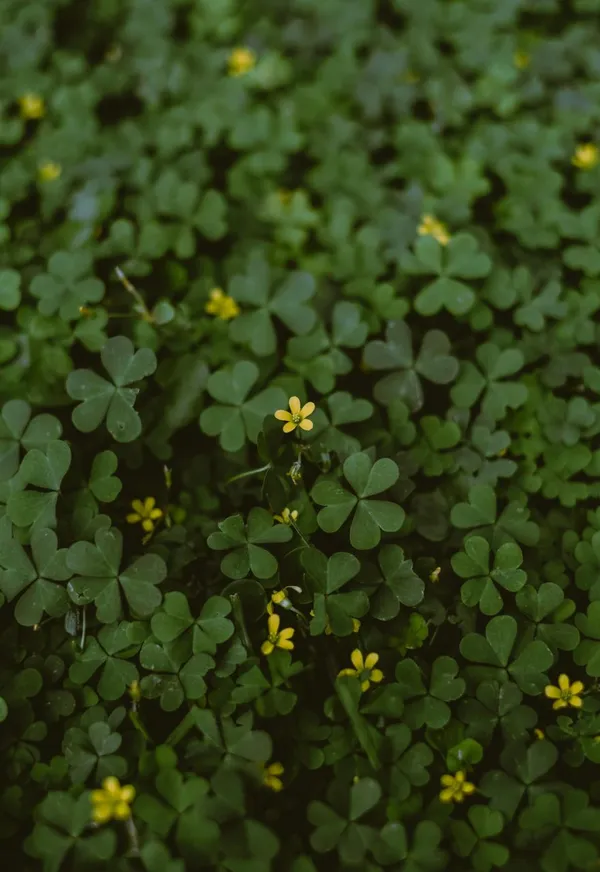
sorrel
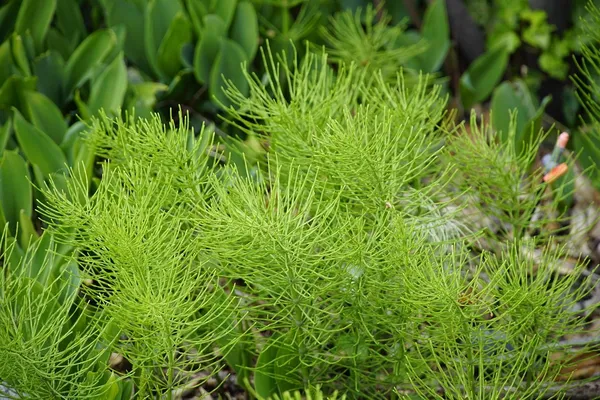
horse moss
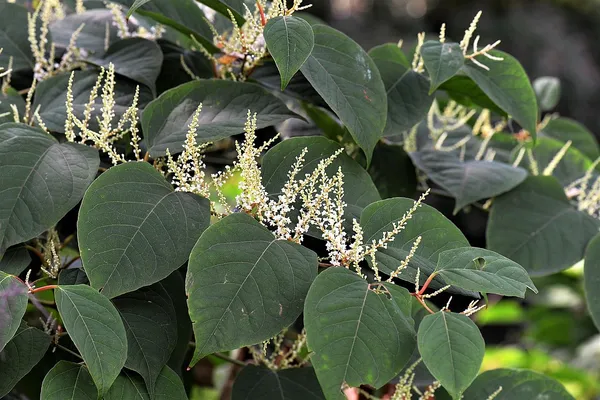
Japanese knotweed
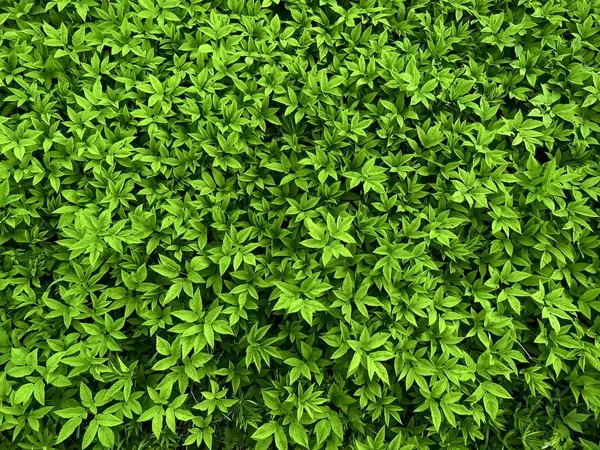
ground elder
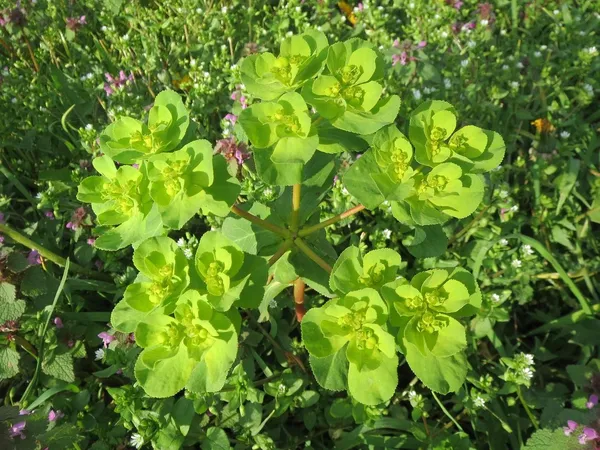
milk vetch
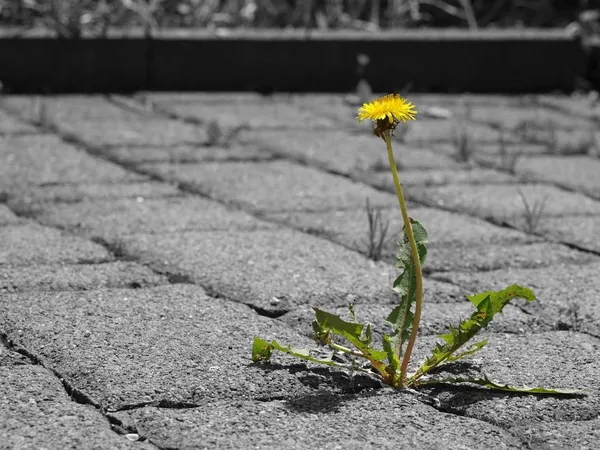
dandelion
How Can You Prevent Weeds in Your Garden? 13 Tips for Fewer Weeds!
- Add a thick layer of mulch to your flower bed.
- Use groundcover plants.
- Place weed barrier fabric under your flower bed or along unpaved and semi-paved paths.
- Scarify, (lime) and fertilize the lawn in a timely manner, and keep the grass reasonably short during the growing season.
- Go for large tiles with small seams and gaps.
- Or do the exact opposite: make the space between the tiles a little wider and fill it with trailing plants.
- Remove weeds before they have a chance to self-seed or spread.
- By keeping track of what you've planted and where, you can identify and remove unwanted self-sown plants and weeds early on.
- Are you starting a new flower bed? If so, remove all weeds and any weed debris from the soil.
- When planting new plants, make sure there are no weeds in the potting soil. Remove as many as possible before planting the plant in the ground.
- Do not put weeds or rapidly spreading plants on the compost pile. This will prevent them from spreading, in case these plant parts happen to survive in your compost pile.
- Sweep your patio or stone paths regularly with a stiff brush, using some coarse sand if necessary. This prevents moss and weeds from taking hold.
- Perhaps the most underrated tip: Plants that are already well-established, growing well, and healthy can, in many cases, hold their own against weeds.
What do you do to control weeds?
If you haven't been able to prevent certain weeds from growing in your garden, it's important to tackle the weed problem as soon as possible so that the weeds don't continue to spread. The following methods are effective against weeds:
- Weed regularly: Remove weeds by hand or with a hoe before they can spread their seeds.
- Cover the weeds with organic material, such as a thick layer of wood chips, straw, or cardboard, so that they no longer receive light and eventually die.
- Pour boiling water over the weeds between the tiles (but don't do this in your flower bed among other plants).
Don't use poison!
Never use chemical pesticides! Do not use vinegar in the garden either. The use of pesticides and vinegar in the garden also affects insects, birds, and other animals.
How to Prevent Weeds in Your Garden
With these tips, you can get started on preventing (or at least reducing) weeds in your garden and removing them. After all, the vast majority of people simply don’t like weeds in their gardens, no matter how beautiful some of them may be… 😀